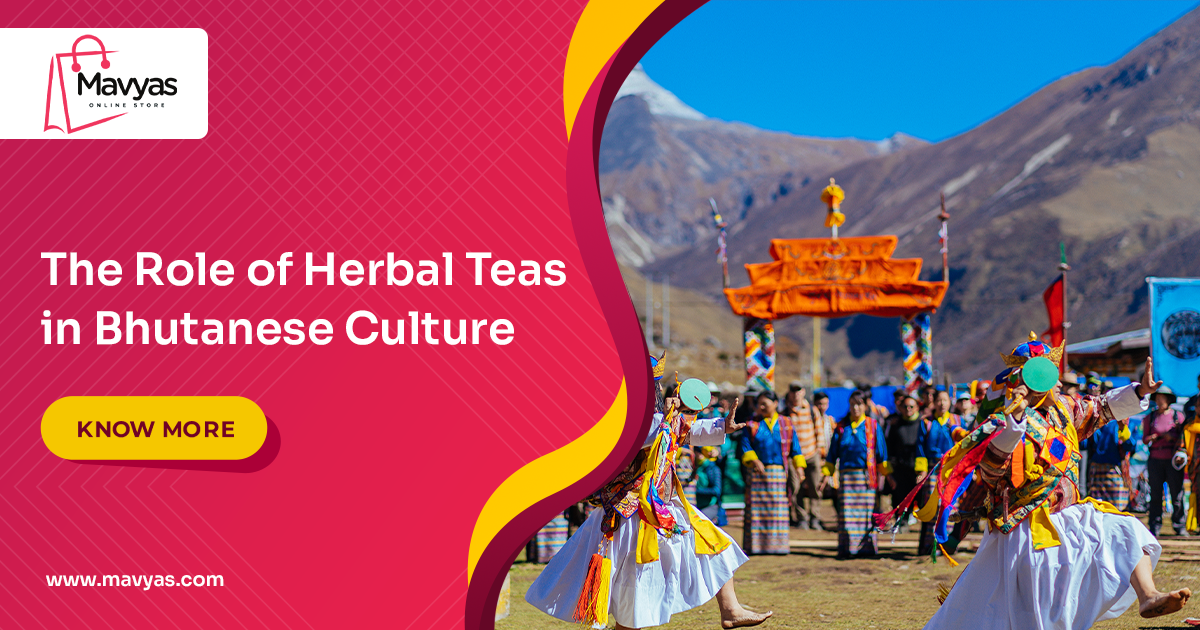
The Role of Herbal Teas in Bhutanese Culture
Beyond being just a warm beverage, herbal teas in Bhutan are a fascinating blend of ancient wisdom, traditional medicine, and daily ritual. They tell a story of Bhutan’s close relationship with nature, its rich Buddhist heritage, and a deep-seated belief in holistic well-being.
More Than Just a Drink: A Holistic Embrace
In many cultures, tea is a casual drink. In Bhutan, herbal teas hold a far more significant place. They are:
- Medicinal Elixirs: Rooted in traditional Bhutanese medicine (Sowa Rigpa), herbal teas are often consumed for their purported healing properties, targeting specific ailments or promoting overall health.
- Cultural Connectors: Offering a cup of herbal tea is a gesture of hospitality and warmth, a way to welcome guests and foster connection.
- Spiritual Companions: For monks and practitioners, certain herbal infusions are used during meditation and spiritual practices, believed to aid concentration and purification.
- A Taste of Nature: Reflecting Bhutan's pristine environment, many teas are made from locally sourced herbs, flowers, and even tree barks, connecting drinkers directly to the land.
Roles and Popular Blends:
Let's explore some of the vital roles herbal teas play in Bhutanese culture, often with specific ingredients in mind:
1. Traditional Healing and Wellness (Sowa Rigpa): Bhutanese herbal teas are perhaps best known for their medicinal applications, deeply integrated with the principles of Sowa Rigpa. Practitioners carefully select combinations of herbs based on their energetic properties and their ability to balance the body's humors. For instance, specific blends might be prescribed for digestive issues, respiratory problems, or to alleviate stress. Common ingredients include ginger, known for its warming and digestive properties, and various local herbs whose benefits have been documented for centuries.
2. Daily Comfort and Hospitality: Just like butter tea (Suja) is a staple, various herbal infusions serve as comforting daily beverages. They are a common offering in homes, monasteries, and even guesthouses. It's a simple, warm gesture that speaks volumes about Bhutanese hospitality. Guests might be offered a soothing lemongrasstea for its calming aroma, or a refreshing mintinfusion after a meal. This ritual fosters a sense of community and welcome.
3. Seasonal and Climatic Adaptation: Bhutan's diverse climate, ranging from subtropical valleys to alpine highlands, influences the types of herbal teas consumed. In colder months, warming teas made from ingredients like cinnamonbark, cardamom, or star anise are popular to combat the chill and support circulation. During warmer periods, lighter, more cooling infusions, perhaps with rhubarb or certain wild flowers, might be preferred to refresh and cleanse the system. This adaptation highlights the practical wisdom ingrained in their tea culture.
4. Spiritual Practices and Mindfulness: In Buddhist monasteries and during personal meditation, certain herbal teas are consumed to aid focus and promote a state of calm. These are not just about taste but about the subtle energies they are believed to impart. Teas made from specific high-altitude herbs are sometimes used to clear the mind and enhance clarity during long periods of contemplation, connecting the physical act of drinking tea with spiritual devotion.
5. Economic Empowerment and Sustainable Practices: The growing appreciation for traditional Bhutanese herbal teas, both domestically and internationally, has created new opportunities for local communities. The collection and processing of wild herbs provide income for many, particularly in rural areas. There's a strong emphasis on sustainable harvesting practices to ensure that these natural resources are not depleted, aligning perfectly with Bhutan's environmental conservation policies. This economic aspect further solidifies the role of herbal teas in the nation's holistic development.
From a simple offering of warmth to a complex medicinal blend, herbal teas are far more than just drinks in Bhutan. They are a testament to the nation's reverence for nature, its deep-rooted traditions, and its commitment to a holistic way of life. At Mavyas, we’re proud to be part of a country that cherishes such profound connections to its natural heritage. So, next time you're sipping your favourite brew, perhaps take a moment to reflect on the quiet, powerful role herbal teas play in the Land of the Thunder Dragon.









Be the first to comment on this post!