More Than Just Fabric: A Tapestry of Identity
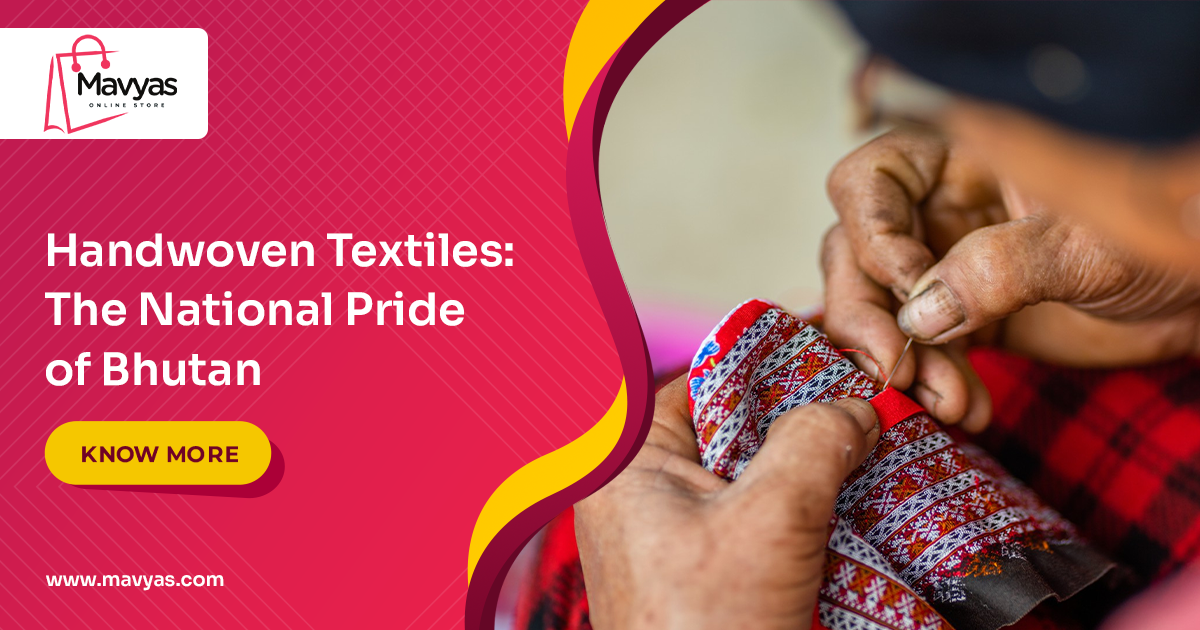
In Bhutan, textiles aren't merely functional. They are a profound expression of culture, status, and spirituality. Every thread tells a story – of the region it hails from, the weaver's skill, and the symbols woven into its very being. When you see a Bhutanese person adorned in their traditional Gho or Kira, you're not just seeing an outfit; you're witnessing a walking masterpiece.
It’s a painstaking process, often taking months, sometimes even years, to complete a single, elaborate textile. This dedication and patience are what elevate these fabrics from simple cloth to cherished works of art.
The Art of the Loom: Techniques and Traditions
Bhutanese textiles are renowned for their incredible variety of patterns, colors, and weaving techniques. Let's delve into some of what makes them so special:
1. Traditional Materials: The foundation of Bhutanese textiles lies in their exquisite materials. Traditionally, silk (Bura) and raw cotton (Tima), often sourced from neighbouring India, form the primary base. However, locally available wool (Yathra) from yaks and sheep is extensively used, particularly for warmer fabrics and the distinctive, vibrant Yathra textiles originating from central Bhutan. The choice of material often dictates the texture, drape, and ultimate use of the finished product.
2. The Beauty of Natural Dyes: Historically, Bhutanese weavers relied solely on natural dyes, extracted from an incredible array of plants, roots, minerals, and even insects found within their pristine environment. These natural pigments yielded a rich palette of earthy tones, deep indigos, and vibrant reds that are unique to Bhutanese textiles. While synthetic dyes have become more prevalent, many master weavers continue to uphold the cherished tradition of natural dyeing for premium pieces, preserving an ancient art form.
3. The Mastery of Weaving Techniques: This is where the true artistry and complexity of Bhutanese textiles shine.
Thagzo (Backstrap Loom Weaving): This ancient and highly revered technique is central to much of Bhutan's textile production. The weaver sits with one end of the loom attached to a fixed point and the other to a strap around their lower back, using their body tension to manipulate the threads. This method allows for incredibly intricate and fine details.
Horizontal Loom Weaving: While less intricate for certain patterns, horizontal looms are widely used for broader fabrics and foundational pieces.
Supplementary Weft Weaving: (Tshig-shing or Kachu)is a particularly sophisticated and time-consuming technique, involving adding extra threads to create raised, elaborate patterns that appear almost embroidered. Famous examples include the highly prized kushutharas.
Bumthap (Brocade Weaving): An exceptionally elaborate technique, often reserved for royal garments and ceremonial attire, weaving intricate geometric and symbolic designs directly into the fabric.
4. Iconic Bhutanese Garments: The weaving traditions culminate in the distinct national dresses that are worn with immense pride:
Kira: The elegant national dress for women, a rectangular piece of handwoven fabric gracefully wrapped around the body and fastened at the shoulders with ornate silver brooches (koma).
Gho: The dignified national dress for men, a knee-length robe tied at the waist with a woven fabric belt (kera), creating a traditional pouch at the front.
5. Preservation and Promotion: In an increasingly globalized world, the preservation of traditional crafts like handwoven textiles is paramount. The Bhutanese government, along with various organizations and dedicated artisans, is actively working to ensure these skills are not lost. Training programs, fair trade initiatives, and promoting these textiles in local and international markets all play a crucial role.
At Mavyas, we're proud that our logistics network helps connect these exquisite creations to wider audiences, allowing weavers to sustain their craft and share Bhutan's artistic legacy. We believe that by supporting the distribution of these timeless pieces, we contribute to the economic well-being of artisans and ensure that the national pride woven into every thread continues to flourish.






Be the first to comment on this post!